
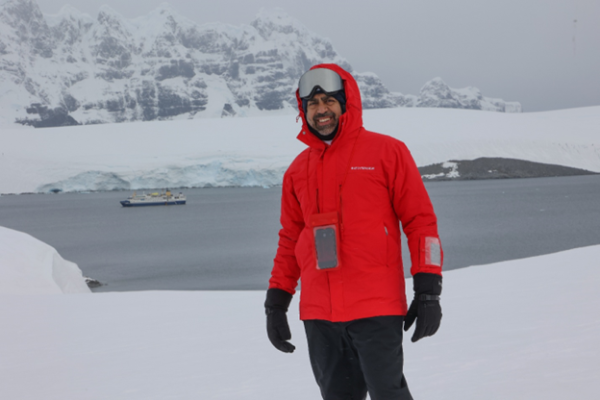
Adventure in one of the most untouched places on Earth
Few travel destinations and experiences feel as remote and extraordinary as visiting Antarctica. There are many cruise ships available, such as Virgin Voyages, and each has its own appeal. But an Antarctica fly cruise was an entirely different experience.
On a recent fly-cruise expedition with Silversea, I traveled from Punta Arenas, Chile to the Antarctic Peninsula in just a couple of hours, landing on King George Island before boarding the expedition ship Silver Cloud. Instead of spending two days crossing the Drake Passage by ship, this itinerary allowed the adventure to begin almost immediately in one of the most untouched places on Earth.
Antarctica Fly Cruise Quick Facts
- Location: Antarctica via King George Island in the South Shetland Islands
- Departure gateway: Punta Arenas, Chile
- Flight time to Antarctica: Approximately 2 hours
- Expedition ship: Silver Cloud by Silversea
- Guest capacity: 254 guests
- Exploration equipment: 20 Zodiacs and 10 kayaks
- Wildlife sightings may include: Penguins, Antarctic shags, gulls, seals, and humpback whales
- Travel season: November through March
Antarctica had always felt like one of those places that existed more in imagination than reality. It is the most remote continent on Earth, a vast wilderness of glaciers, icebergs, and extraordinary wildlife.
For travelers who love exploration, visiting Antarctica sits at the very top of the bucket list.
When I finally decided to make the journey, I chose a fly-over expedition cruise with Silversea. But first, I and my fellow travelers spent one night in Santiago, Chile at the Ritz Carlton before flying out to Punta Arenas for one night on a private charter plane.
Instead of sailing for two days through the often rough waters of the Drake Passage, this itinerary begins with a charter flight from Punta Arenas, Chile, directly to Antarctica’s King George Island.
The result is remarkable. Within a couple of hours, you travel from the southern tip of South America to the most remote continent on Earth.
Starting the Journey in Punta Arenas, Chile
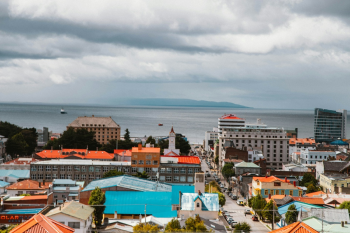
The adventure began in Punta Arenas, a historic port city in Chilean Patagonia located along the Strait of Magellan. For more than a century, explorers have used this region as a launching point for journeys into the far south.
Punta Arenas still carries that sense of exploration today. Strong winds sweep in from the water, ships move through the strait, and the city’s maritime history is visible everywhere.
Walking through town before departure, it is easy to imagine the early expeditions that once set out toward Antarctica from this same part of the world.
From Punta Arenas, I boarded a private charter flight reserved exclusively for expedition travelers. In just about two hours, the scenery shifted dramatically from Patagonia’s rugged coastline to a frozen world of ice and glaciers.
Watching Antarctica appear beneath the aircraft window is a moment that is hard to forget.
Landing in Antarctica
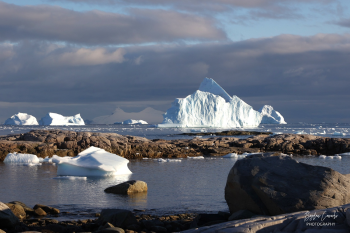
Landing on King George Island feels surreal. As the aircraft descended, the landscape transforms into jagged mountains covered in snow and vast stretches of ice. Antarctica was stark, powerful, and unlike any place I have ever seen.
After landing on the island’s gravel runway, we stepped off the plane already dressed in expedition gear and immediately felt the crisp Antarctic air. The realization hits quickly: you are standing on the seventh continent.
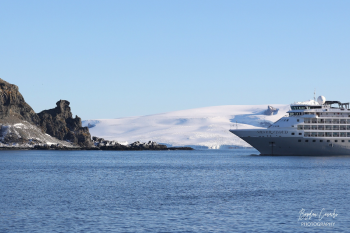
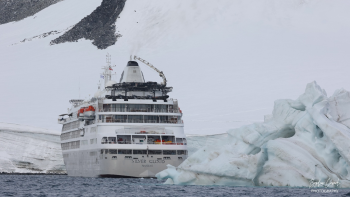
From there, we transferred by bus across the island to the shoreline where Zodiac boats waited to take us out to our ship. Anchored in the bay was Silver Cloud, the expedition vessel that would be our home during the journey for 6 nights in Antarctica on the ship.
On the 7th day, I spent the night in Punta Arenas before flying to Santiago and then home to Maryland.
Boarding the Silver Cloud
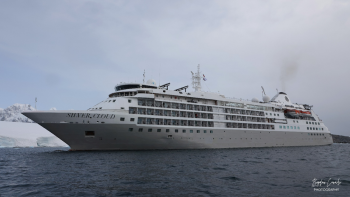
Approaching the ship by Zodiac added to the sense of adventure. Seeing the vessel anchored in the bay against the dramatic Antarctic landscape made the moment feel cinematic.
As we climbed aboard Silver Cloud, it became clear that this expedition would combine rugged exploration with the comfort of a luxury cruise.
Silver Cloud is designed specifically for expedition travel while still delivering the refined service Silversea is known for. The ship carries a maximum of 254 guests, creating a more intimate atmosphere and allowing expedition teams to move efficiently between landing sites.
The vessel is equipped for exploration with 20 Zodiac boats and 10 kayaks, making it possible for multiple groups to head out simultaneously for landings and wildlife viewing. This flexibility is essential in Antarctica, where conditions can change quickly and opportunities for exploration depend heavily on weather and wildlife activity.
At the same time, the ship provides exceptional comfort. Eighty percent of the suites feature private verandas, allowing guests to enjoy the scenery at any time, whether watching icebergs drift by or spotting whales from their own balcony.
Across all suite categories, guests enjoy several shared features designed for comfort during a polar expedition. These typically include sitting areas for relaxing after excursions, beds that convert between twin and queen configurations, bathrooms with showers, walk-in wardrobes with safes, writing desks, vanity tables with hair dryers, and in-suite espresso machines and tea kettles.
The primary differences between suite categories come down to size, layout, and additional living space.
Owner’s Suite (one- or two-bedroom configuration)
One-bedroom: 587 sq. ft. including veranda (89 sq. ft.)
Two-bedroom: 827 sq. ft. including veranda (89 sq. ft.)
Highlights include:
• Large private veranda with patio furniture
• Floor-to-ceiling glass doors and additional picture window in the second bedroom
• Expansive living room with separate sitting area
• Dedicated dining area for in-suite meals
• Two-bedroom option created by connecting to a Vista Suite
Grand Suite (one- or two-bedroom configuration)
One-bedroom: 1,019 sq. ft. including veranda (145 sq. ft.)
Two-bedroom: 1,314 sq. ft. including veranda (194 sq. ft.)
Highlights include:
• Two large verandas with outdoor seating
• Generous living and dining areas
• Optional second bedroom created by connecting with a Veranda Suite
• Additional veranda and sitting area in the second bedroom configuration
Royal Suite
One-bedroom: 736 sq. ft. including veranda (126 sq. ft.)
Two-bedroom: 1,031 sq. ft. including veranda (175 sq. ft.)
Highlights include:
• Large veranda with outdoor furniture
• Spacious living area and dining space
• Optional two-bedroom configuration for additional privacy
Silver Suite and Medallion Suite
Silver Suite: 581 sq. ft. including veranda (92 sq. ft.)
Medallion Suite: 517 sq. ft. including veranda (81 sq. ft.)
Highlights include:
• Separate living room with convertible sofa for a third guest
• Dining area within the suite
• Private veranda with outdoor seating
Veranda Suite and Deluxe Veranda Suite
295 sq. ft. including veranda (49 sq. ft.)
Highlights include:
• Private balcony with outdoor furniture
• Sitting area positioned near floor-to-ceiling glass doors
• Deluxe Veranda Suites offer a preferred central location on the ship
Vista Suite
240 sq. ft.
Highlights include:
• Large picture window offering panoramic ocean views
• Efficient layout designed to maximize natural light
After a full day exploring Antarctica, returning to such comfortable accommodations made the experience even more memorable.
Wildlife Encounters in Antarctica
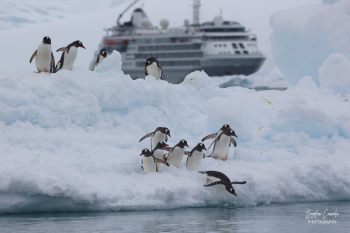
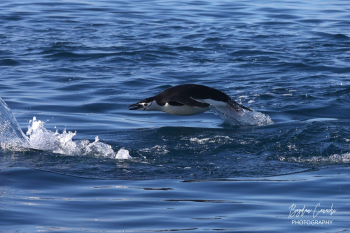
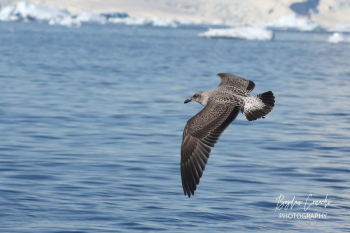
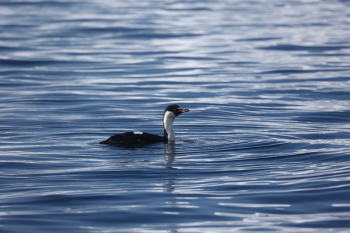
One of the most remarkable aspects of Antarctica is its wildlife. Despite the harsh environment, the region is full of life. During the expedition, we encountered several species that call this remote place home.
Several species of penguins were among the most memorable sightings. Watching them move across the ice and dive effortlessly into the water never got old. These birds seem perfectly adapted to life in the Antarctic environment.
We also spotted juvenile gulls and the striking Antarctic shag. The Antarctic shag is the only cormorant species found in the region and is easy to recognize thanks to its vivid blue eyes and distinctive yellow clusters on its forehead.
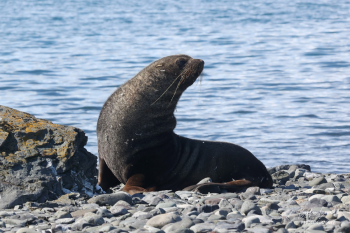
Marine mammals also made several appearances during the trip. At one point we encountered an Antarctic fur seal resting along the shoreline.
Fur seals are considered “eared” seals because they have visible external ear flaps, unlike true seals. They are also surprisingly agile on land, using their powerful fore-flippers to move quickly across rocky beaches.
I also saw elephant seals lounging by the water. These seals routinely dive 3,000 to 5,000 feet beneath the ocean surface in search of squid and fish. Some dives last over two hours, making them one of the most impressive divers on the planet.
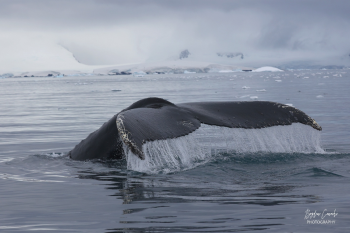
One of the most unforgettable moments came when we saw a humpback whale surfacing near the ship. During the Antarctic summer, humpback whales migrate thousands of miles from tropical breeding waters to Antarctica because the Southern Ocean becomes incredibly rich in Antarctic krill, their favorite food.
Watching a whale emerge from the icy Antarctic waters is the kind of experience that stays with you long after the trip ends.
Dining Options Onboard Silver Cloud
Dining onboard Silver Cloud offers a range of experiences, from casual outdoor meals to refined multi-course dinners.
• The Grill – Located near the pool deck, this open-air venue serves relaxed lunches during the day and grilled specialties in the evening, allowing guests to enjoy their meals with fresh ocean air and expansive views.
• La Dame – The ship’s French restaurant delivers an elegant dining experience centered around refined culinary techniques and seasonal ingredients.
• La Terrazza – This Italian-inspired venue offers buffet-style breakfasts and lunches with live cooking stations, while evenings feature freshly prepared pastas, seafood, and regional Italian dishes.
• The Restaurant – The ship’s main dining room presents globally inspired cuisine and multi-course meals that reflect the destinations visited during the voyage.
Things to Do Onboard Silver Cloud
Even while traveling through one of the most remote parts of the world, there was always something to do onboard.
Observation Lounge quickly became one of my favorite places on the ship. Located high above the water and surrounded by windows, it offers panoramic views of the Antarctic landscape. Many mornings I would sit there with a cup of coffee watching icebergs drift past or scanning the horizon for whales.
Explorer Lounge serves as the educational center of the ship. This is where the expedition team hosts presentations about Antarctica’s wildlife, geology, and history. Before each landing, we gathered here for briefings about what to expect and how to responsibly explore this fragile environment.
Panorama Lounge offers another beautiful place to relax during the day while watching the scenery pass by. In the evening it becomes a lively gathering space where guests enjoy cocktails and share stories from the day’s adventures.
Dolce Vita provides an elegant setting for pre-dinner drinks. Live piano music often fills the room, and it quickly becomes a social hub where travelers connect and exchange stories about wildlife sightings and excursions.
Connoisseur’s Corner offers a quieter retreat for those who enjoy premium spirits or cigars. Comfortable seating and a classic lounge atmosphere make it an ideal place to unwind after a full day of exploration.
The pool deck offers a surprising treat in Antarctica. The pool is heated and the whirlpools provide a relaxing place to soak while watching icebergs drift past.
The Zagara Beauty Spa provides massages and treatments that help guests recover after long days of Zodiac landings and hiking across rugged terrain. The Zagara Beauty Salon also offers hairstyling, manicures, and pedicures.
Photography enthusiasts will appreciate the ship’s photo studio, where experts offer workshops and editing sessions to help guests improve their photography and capture Antarctica’s remarkable scenery.
Best Time of Year to Visit Antarctica
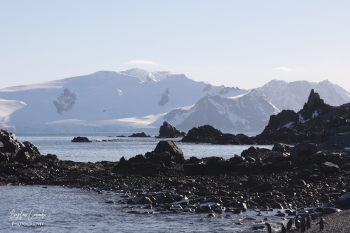
Antarctica has a relatively short travel season. Expedition cruises typically operate from November through March, which corresponds to the Antarctic summer. During these months, the continent receives extended daylight and conditions allow ships to navigate through the ice.
Each part of the season offers its own unique advantages.
November marks the beginning of the expedition season. Snow and ice remain largely untouched after the long winter, creating dramatic and pristine landscapes. Penguins begin returning to nesting sites and seabird activity increases.
December and January bring the height of the Antarctic summer. These months offer nearly continuous daylight, providing extended opportunities for exploration and photography. Penguin colonies are bustling, and whale sightings begin to increase as marine life feeds in the nutrient-rich waters.
February and March often bring some of the best whale sightings of the season. The lighting also becomes more dramatic as the sun begins to dip lower on the horizon, creating beautiful colors across the ice and water.
Each part of the Antarctic season reveals a slightly different side of the continent, but regardless of when you visit, the experience is unforgettable.
The Magic of an Antarctica Fly Cruise
What makes the fly-cruise concept so appealing is how quickly the expedition begins. Instead of spending several days at sea crossing the Drake Passage, travelers arrive in Antarctica within hours of leaving South America.
For those who want to maximize their time exploring the continent while still enjoying a luxury expedition experience, this approach offers an incredible balance of efficiency and adventure.
Eventually every expedition must come to an end. After leaving the ship and crossing the water by Zodiac, we boarded the aircraft on King George Island and flew back to Chile.
Somewhere during the flight back to Punta Arenas, the realization set in.
Antarctica is not just another destination.
It is one of the last great wildernesses on Earth, and visiting it is an experience that truly feels extraordinary.
Antarctica Fly Cruise vs Crossing the Drake Passage
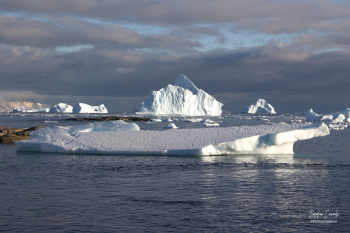
One of the biggest decisions travelers face when planning a trip to Antarctica is whether to cross the Drake Passage by ship or take a fly cruise.
The Drake Passage is the stretch of ocean between South America and Antarctica. It is known for being one of the roughest bodies of water in the world. Traditional Antarctica cruises depart from Ushuaia, Argentina and spend roughly two days sailing across the Drake Passage before reaching the Antarctic Peninsula.
For some travelers, that crossing is part of the adventure. For others, the idea of spending multiple days at sea in unpredictable conditions is less appealing.
The fly cruise option offers a very different experience.
Instead of sailing across the Drake Passage, travelers board a charter flight in southern Chile and fly directly to Antarctica. In my case, we departed from Punta Arenas and landed about two hours later on King George Island. From there, Zodiac boats transported us to the expedition ship waiting offshore.
This approach allows the expedition to begin almost immediately.
Rather than spending several days crossing open ocean, we were already standing on Antarctic soil within hours of leaving South America. That meant more time exploring glaciers, visiting wildlife colonies, and cruising through the icy landscapes that make Antarctica so extraordinary.
For travelers who want to maximize their time exploring Antarctica while avoiding the Drake Passage crossing, a fly cruise can be an excellent option.
At the same time, both types of voyages ultimately reach the same remarkable destination. The decision often comes down to how travelers prefer to experience the journey.
Frequently Asked Questions About Antarctica Fly Cruises
What is an Antarctica fly cruise?
An Antarctica fly cruise combines a charter flight and an expedition cruise. Instead of sailing across the Drake Passage from South America, travelers fly directly to Antarctica and board their expedition ship there. This allows guests to begin exploring the Antarctic Peninsula much sooner.
How long is the flight from Chile to Antarctica?
Flights from southern Chile to King George Island typically take about two hours. The flight travels from Patagonia across the Drake Passage and lands on Antarctica’s only airfield on King George Island.
Where do Antarctica fly cruises depart from?
Most fly cruise expeditions depart from Punta Arenas in southern Chile. This Patagonian city serves as a gateway for Antarctic exploration and has long been a starting point for expeditions heading to the White Continent.
What wildlife can you see in Antarctica?
Wildlife sightings vary by location and time of year, but travelers commonly encounter penguins, seabirds such as Antarctic shags and gulls, seals including Antarctic fur seals, and whales such as humpback whales.
What is the best time of year to visit Antarctica?
The Antarctic travel season runs from November through March. Early season voyages offer pristine snowy landscapes, while mid-summer brings peak wildlife activity. Later in the season often provides excellent whale sightings and dramatic lighting for photography.
Is Antarctica difficult to reach?
Antarctica remains one of the most remote destinations on Earth. However, expedition cruises and fly cruise itineraries make it possible for travelers to visit the continent while enjoying the comfort of modern expedition ships and expert guides.
Contact us today by visiting www.CompleteGetaways.com or calling 1-877-530-5560
Contact us today by visiting www.CompleteGetaways.com or calling 1-877-530-5560